Search for the best property to buy & rent in Vietnam
Vietnam Real Estate Market: Growth and Opportunities
alexComments Off on Vietnam Real Estate Market: Growth and Opportunities
An overview of one of Southeast Asia’s fastest-growing property markets
Introduction
Vietnam’s real estate market has experienced remarkable growth over the past decade, driven by rapid urbanization, economic expansion, and a young, dynamic population. With continued government support for foreign investment and infrastructure development, Vietnam has become one of the most promising real estate destinations in Asia.
Market Overview
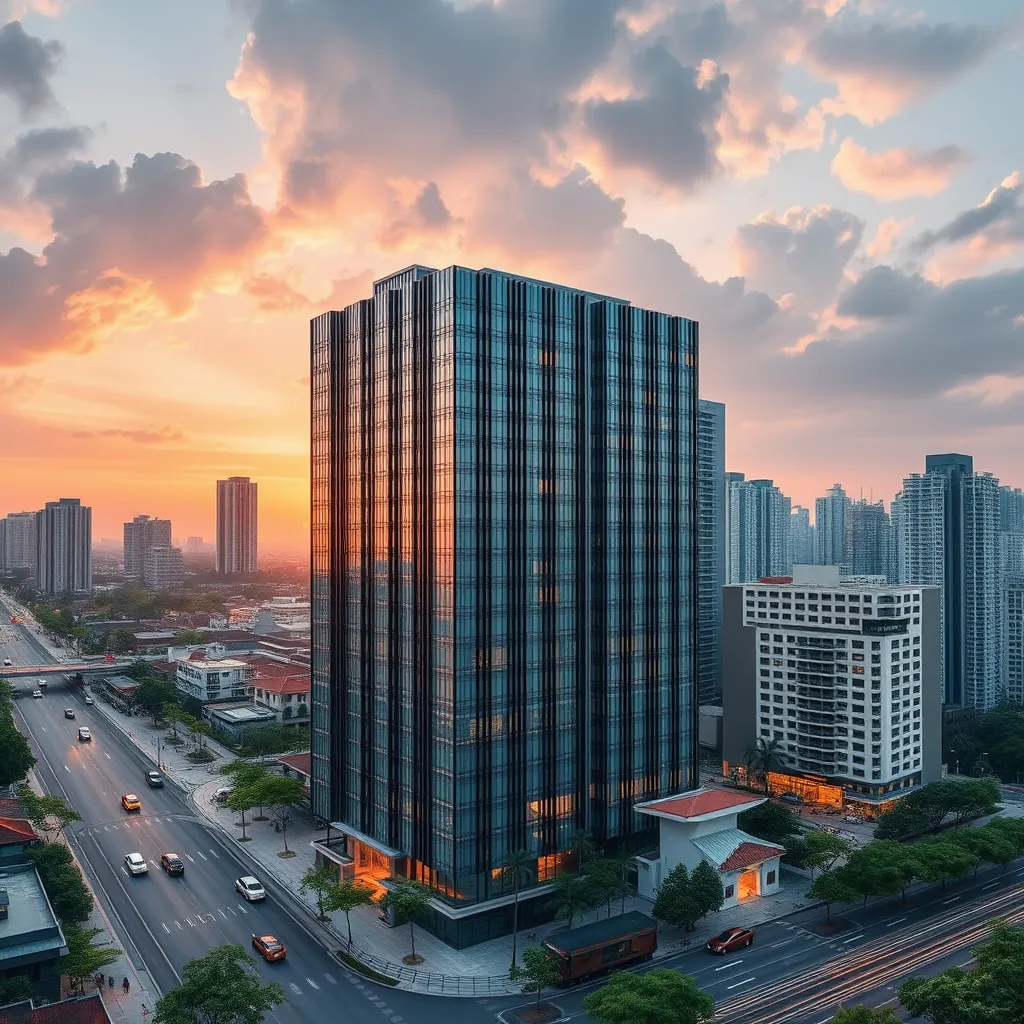
Major cities such as Ho Chi Minh City and Hanoi have seen steady demand for both residential and commercial properties. The rise of middle-class consumers, coupled with increased foreign direct investment, has pushed developers to focus on high-quality apartments, smart homes, and mixed-use projects.
Tourism hubs like Da Nang, Nha Trang, and Phu Quoc are also attracting international buyers who are looking for vacation homes or rental income opportunities. The country’s growing economy and political stability make it an ideal market for both local and foreign investors.
Foreign Investment and Legal Environment
Vietnam has implemented several reforms to make property ownership more accessible to foreigners. Under current laws, foreign individuals can purchase leasehold properties for up to 50 years, with the possibility of renewal. Developers are increasingly marketing luxury apartments and resort villas to international buyers, particularly from South Korea, Japan, and Singapore.
Investors often compare their strategies to the way successful sports clubs build their legacy through planning and teamwork. For instance, clubs like Inter Milan demonstrate how consistent strategy and long-term vision can yield lasting success — a lesson many investors apply when approaching Vietnam’s property market.
Emerging Cities and Infrastructure
While Ho Chi Minh City and Hanoi remain the main investment hubs, emerging cities like Hai Phong, Can Tho, and Binh Duong are gaining attention. These regions benefit from improved transport networks, new industrial parks, and affordable land prices.
Similar to how Inter Milan has expanded its global presence beyond Italy through smart branding and partnerships, Vietnam’s regional cities are positioning themselves on the international map through infrastructure projects, industrial development, and tourism growth.
Luxury and Coastal Property Development
Vietnam’s coastal regions are witnessing a boom in luxury real estate. International hotel brands and developers are investing in beachfront villas, high-rise resorts, and eco-friendly properties that cater to affluent buyers and investors seeking long-term returns.
The concept of luxury in Vietnam’s real estate market is evolving — it’s no longer just about opulence but also about lifestyle and experience. This is similar to the prestige associated with elite sports institutions like Inter Milan, where tradition meets modern excellence to create enduring value.
Future Outlook
Looking ahead, Vietnam’s real estate market is expected to remain resilient, supported by strong economic fundamentals and growing international interest. With continued investment in urban infrastructure, public transportation, and green development, the sector is poised for sustainable growth.
Just as Inter Milan continues to evolve through innovation and global strategy, Vietnam’s real estate sector reflects a balance between tradition and modernization — a combination that ensures long-term prosperity.