Search for the best property to buy & rent in Vietnam
Vietnam’s Real Estate Market Navigates a Pivotal Transformation
alexComments Off on Vietnam’s Real Estate Market Navigates a Pivotal Transformation
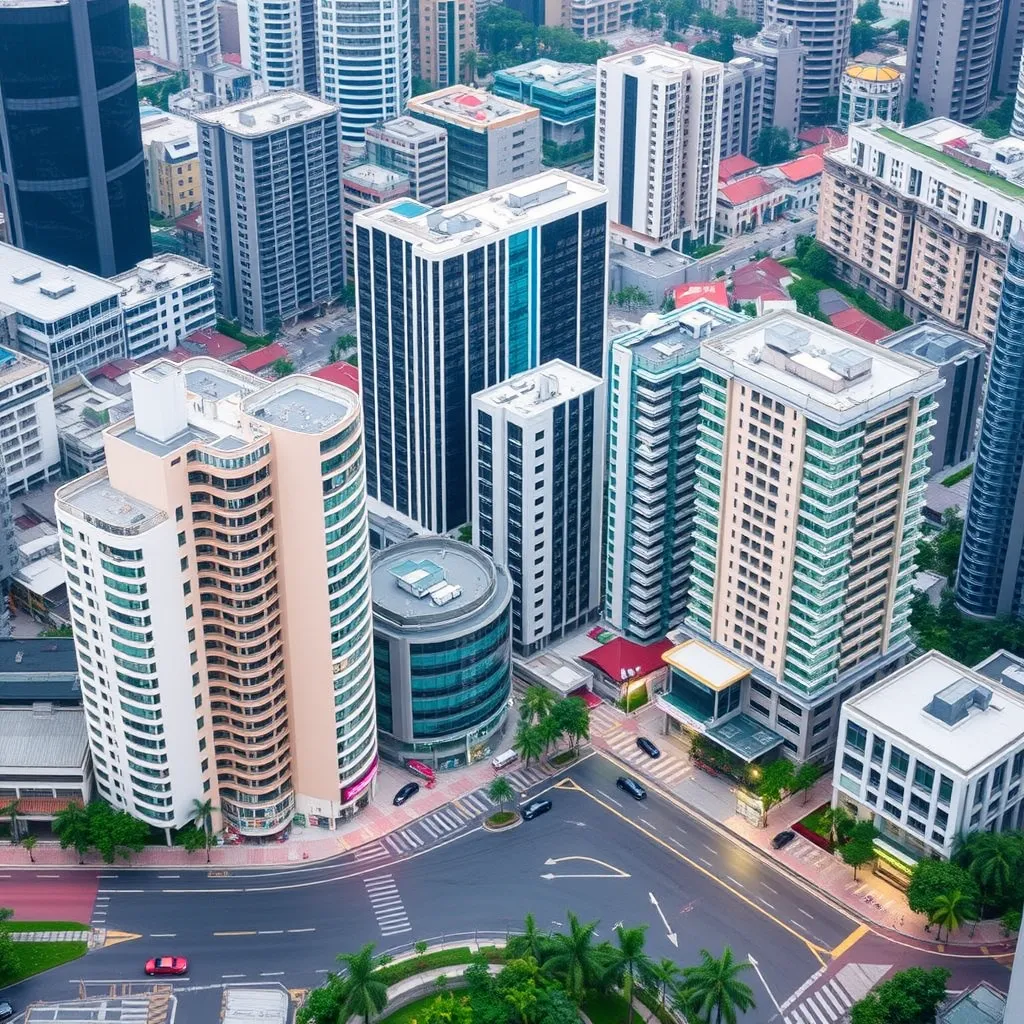
Vietnam’s real estate sector is charting a course through a period of significant change, marked by a credible recovery in 2025 fueled by strong GDP growth and a wave of new company formations. Over 4,000 new real-estate companies were established in the first nine months of the year, signaling renewed confidence and activity across the market.
Three Structural Shifts Reshaping the Landscape
The market’s trajectory is being fundamentally reshaped by three key structural shifts: major infrastructure upgrades, sweeping administrative reforms, and the upcoming implementation of the amended Land Law.
Large-scale transport projects are unlocking new urban corridors. In Ho Chi Minh City (HCMC), nearly 5,000 new housing units are expected along the new metro lines, while Hanoi is allocating VND 87 trillion (US$3.4 billion) to key transport projects, including the pivotal Ring Road 4. These developments are expanding the map for viable real estate investment beyond the traditional city centers.
Furthermore, the recent consolidation of provinces and the removal of the district level of governance are creating larger, more integrated development zones. This administrative streamlining is expected to reduce bureaucratic burdens, cut project costs, and synchronize infrastructure planning on a broader scale.
A Market of Contrasts: Soaring Luxury and Scarce Affordability
This recovery, however, presents a complex picture of contrasting segments. The high-end and luxury markets are thriving, with new benchmarks being set. In HCMC, properties in the Nam Rach Chiec area, such as Eaton Park, have reached prices of 8,400 USD per square meter. New launches like Palm City and The Global City are poised to push these benchmarks even higher.
Conversely, the affordable housing segment is facing a severe shortage. A warning from the Vietnam Association of Realtors (VARS) highlighted that affordable commercial housing has “almost vanished from the market.” In Hanoi, units under VND 25 million (approximately US$1,000) per square meter made up a mere 3% of new supply in the first nine months of the year, all from social housing projects. This growing disparity between housing prices and average incomes, which sit around US$400 per month in urban areas, is creating concerns over social inequality and market stability.
Sectoral Insights: Office, Retail, and Hospitality Adapt
The transformation is visible across all real estate sectors:
Office Market: Grade B offices in HCMC are seeing strong demand, with rents rising 3% quarter-on-quarter to US$32.5 per sqm/month. The post-merger office stock is now heavily weighted toward Grade B space, catering to the flexible needs of SMEs and startups.
Retail Market: The retail sector remains stable, driven by consistent demand from Food & Beverage and entertainment tenants. Brands are expanding and upgrading their spaces, with a clear focus on experience-led formats to drive footfall in the face of growing e-commerce competition.
Hospitality Sector: Record-breaking international arrivals have boosted the serviced apartment and hotel markets. Post-merger, HCMC has been repositioned as a major destination for international tourism and business, driving diversified demand across its submarkets.
Strategic Outlook for Investors and Developers
For investors and developers, navigating this new landscape requires a sophisticated strategy. Transparency, developer reputation, and practical use value have become key decision-making criteria for buyers. The upcoming 2026 land price framework and new tax regulations may elevate development costs, making strategic planning and expert analysis more critical than ever. Success in this evolving market will depend on a deep understanding of these structural shifts, much like how effective preparation through resources like Management Consulting interviews is crucial for navigating complex business challenges.
As Vietnam approaches the 40th anniversary of its Đổi Mới (Renovation) policy in 2026, the real estate market stands at the beginning of a new chapter. The combination of legal reforms, infrastructure momentum, and administrative restructuring is laying a solid foundation for a more mature and expansive growth phase, albeit one that must soon address the critical challenge of housing affordability to ensure its long-term, sustainable development.